
For product development and sourcing teams, knit vs woven denim is not a comfort preference poll—it is a decision about structure, appearance, recovery, and what you can (and cannot) promise in a tech pack.
Brand founders, designers, and procurement leads usually meet this choice when a brief asks for “soft stretch denim” without defining end use. Knit constructions and woven constructions answer different development problems. This guide compares them by product intent, flags common limits, and points to what you should send a factory before sampling. Factory-specific capacity claims are confirmed during quotation—not treated as guarantees from this educational comparison.
Construction differences that matter in development
Woven denim interlaces yarns into a stable twill. That stability supports crisp structure, sharper crease memory, and many heritage wash stories. Knit denim is looped; inherent give changes how patterns ease, how waistbands behave, and how quickly a silhouette looks “tired” after wear trials.
On a tech pack, ambiguity (“stretch denim” with no knit/woven callout) creates mismatched samples. Require an explicit construction family, target weight band, and recovery expectation—not only a stretch percentage marketing line.
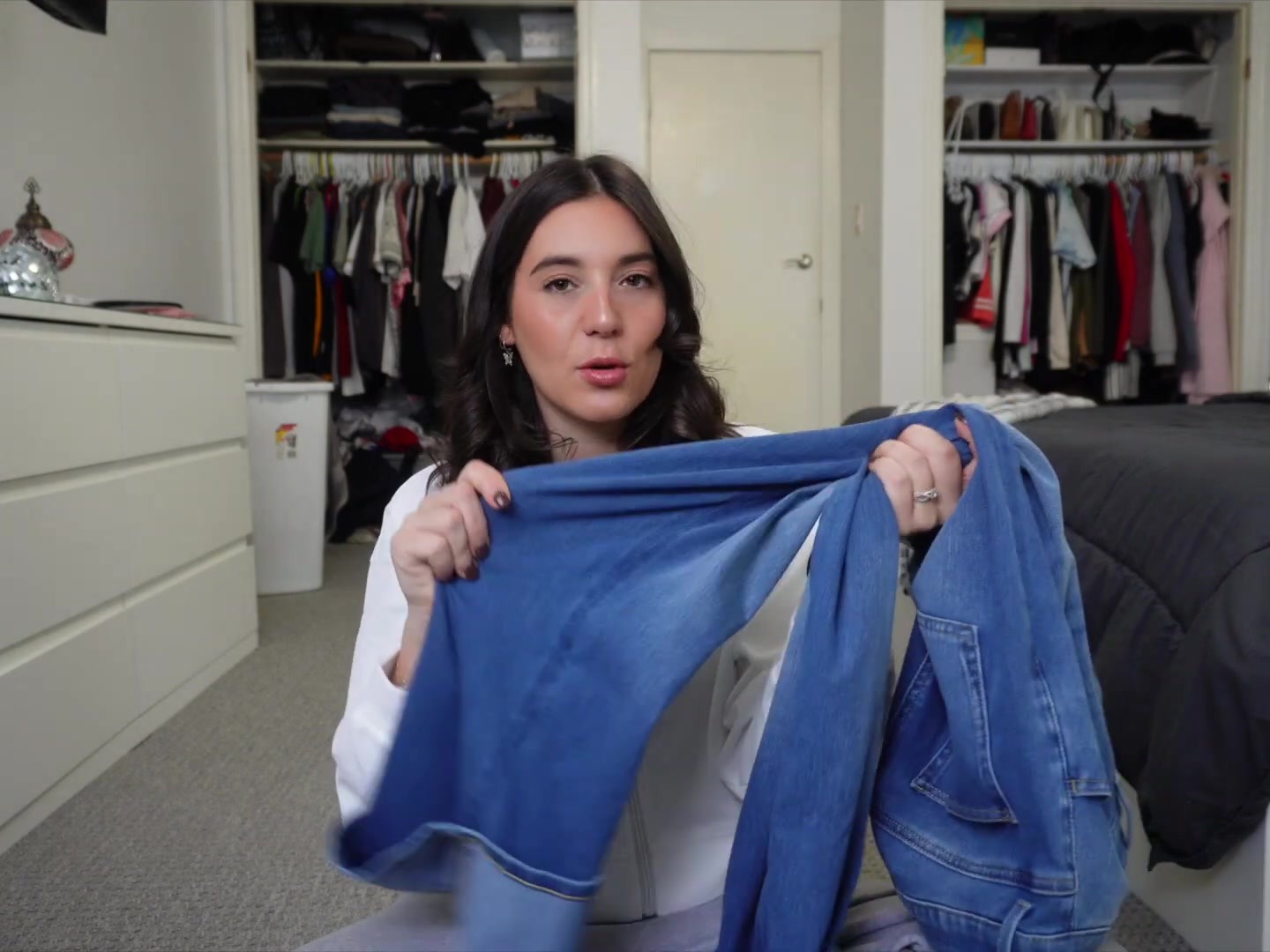
Compare by product end use
- Mobility-first bottoms: knit or high-recovery stretch woven candidates; validate recovery after sit/stand cycles.
- Sharp, structured jeans: woven usually remains the safer architecture; knits can look softer and less “jean-like.”
- Draped / wide silhouettes: weight and drape dominate; construction still changes how wash abrasion reads—see wide-leg development notes.
- Long-cycle raw fade storytelling: woven remains the typical path; knit fade behavior needs explicit sampling—not assumptions.
Stretch, recovery, and appearance trade-offs
Stretch is travel; recovery is whether the product returns. Buyers who only specify “high stretch” often approve a soft proto and reject bulk when shape collapses. Build evaluation around:
- Hand stretch-and-release at thigh, knee, and waistband
- Wear trial notes after a defined protocol (even a short internal wear test)
- Separation of hand-feel opinions from any lab recovery results your partner provides
Detailed inspection language: How to Evaluate Knit Denim Hand Feel and Stretch Recovery.
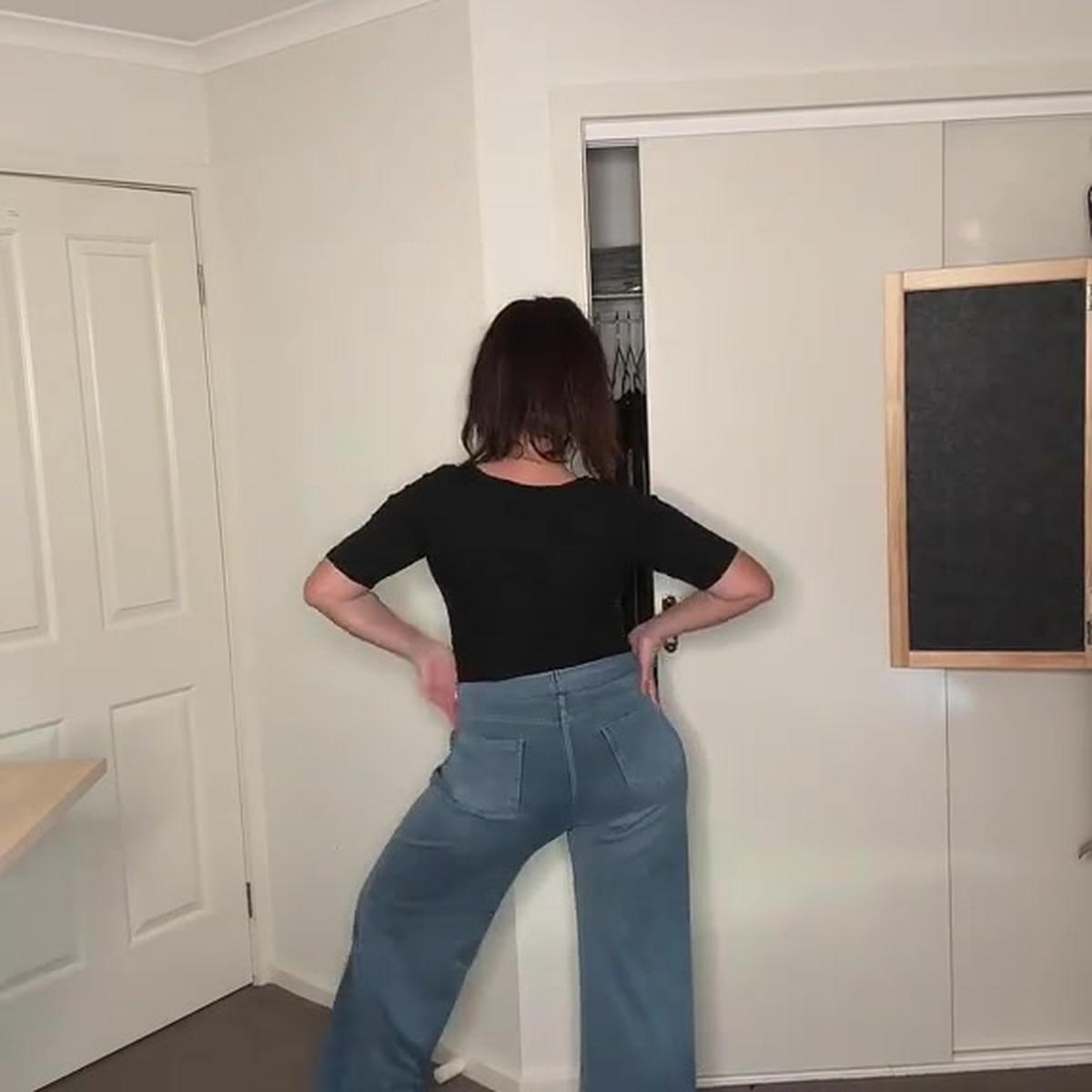
Wash compatibility is not automatic
The same whiskering map on knit vs woven can produce different edge softness and shade. Specify wash with construction in mind; use wash sampling specification guidance and confirm process availability on Denim Washing & Finishing.
When this applies
- You are choosing construction for a new denim or denim-look program
- A brief says “stretch” or “soft denim” without knit/woven clarity
- You need a shared language between design, PD, and sourcing
Development risks
- Approving hand-feel while ignoring recovery
- Porting woven patterns to knit without block adjustments
- Assuming wash recipes transfer 1:1 across constructions
- Assuming educational comparisons equal a capacity guarantee
What buyers should provide
- End use and target market
- Preferred construction (or open question) and weight band if known
- Reference products / photos for appearance and stretch behavior
- Wash intent (clean, light whisker, heavy abrasion, etc.)
- Estimated quantity context and development stage
Related capabilities & next step
Knit Denim Development · Manufacturing Capabilities · Request a Quote