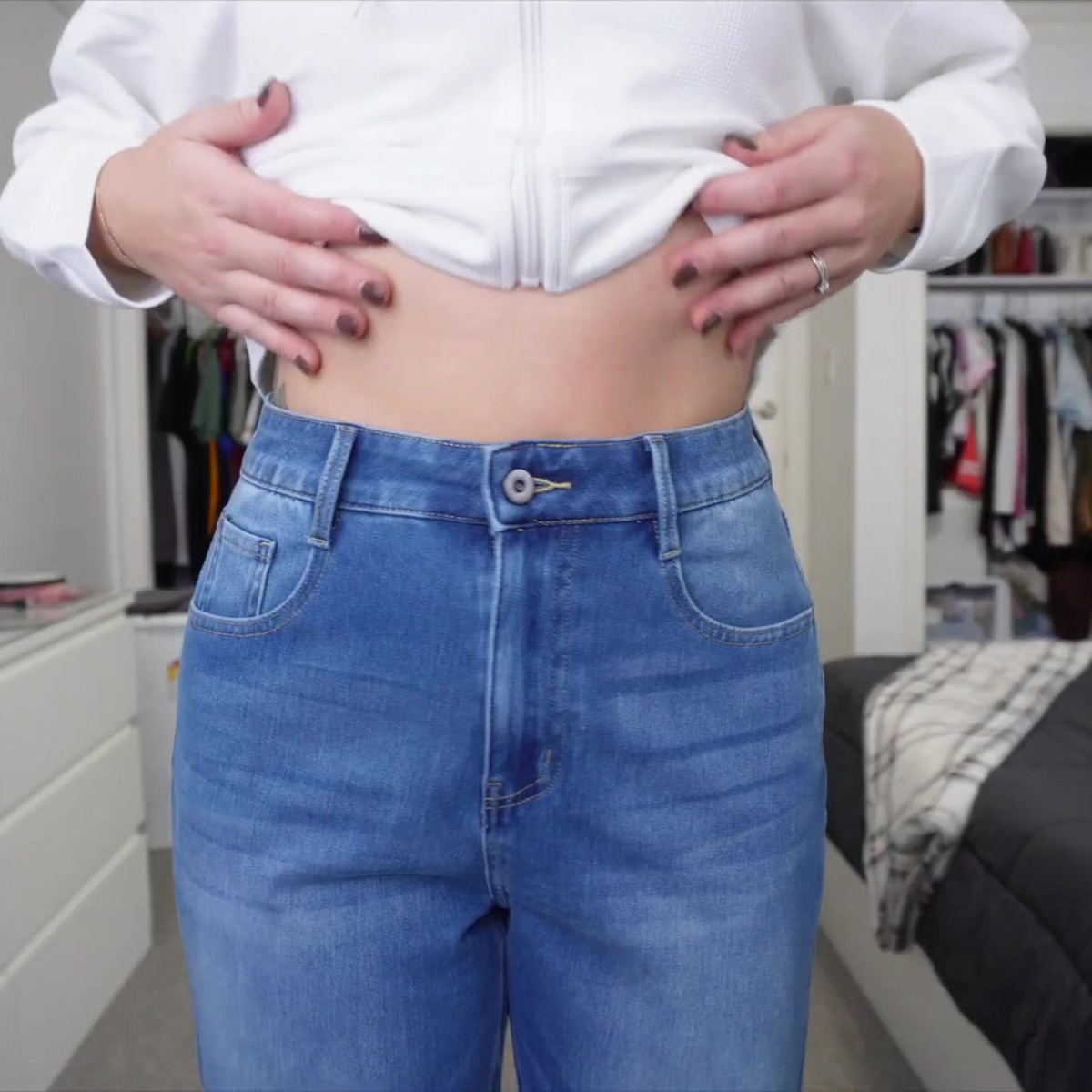
Wash effects fail in bulk when the brief is a moodboard without acceptance language. This guide helps PD and sourcing teams specify denim wash effects for sampling—references, approval samples, and variation control.
Consumer articles often explain whiskering as a style cue. Buyers need something else: a pack that a wash house or factory can execute, approve, and repeat. Process availability for a given program is confirmed during quotation; the workflow below is buyer-side preparation that remains useful regardless of partner.
Build an effect reference pack
- Hero face + back photos under agreed lighting
- Detail crops for whisker density, grind edges, and hand
- Notes labeling must-match vs directional elements
- Shade comments (cast, depth, contrast) in plain language
If you only send a single Instagram crop, expect interpretation drift between proto and SMS.
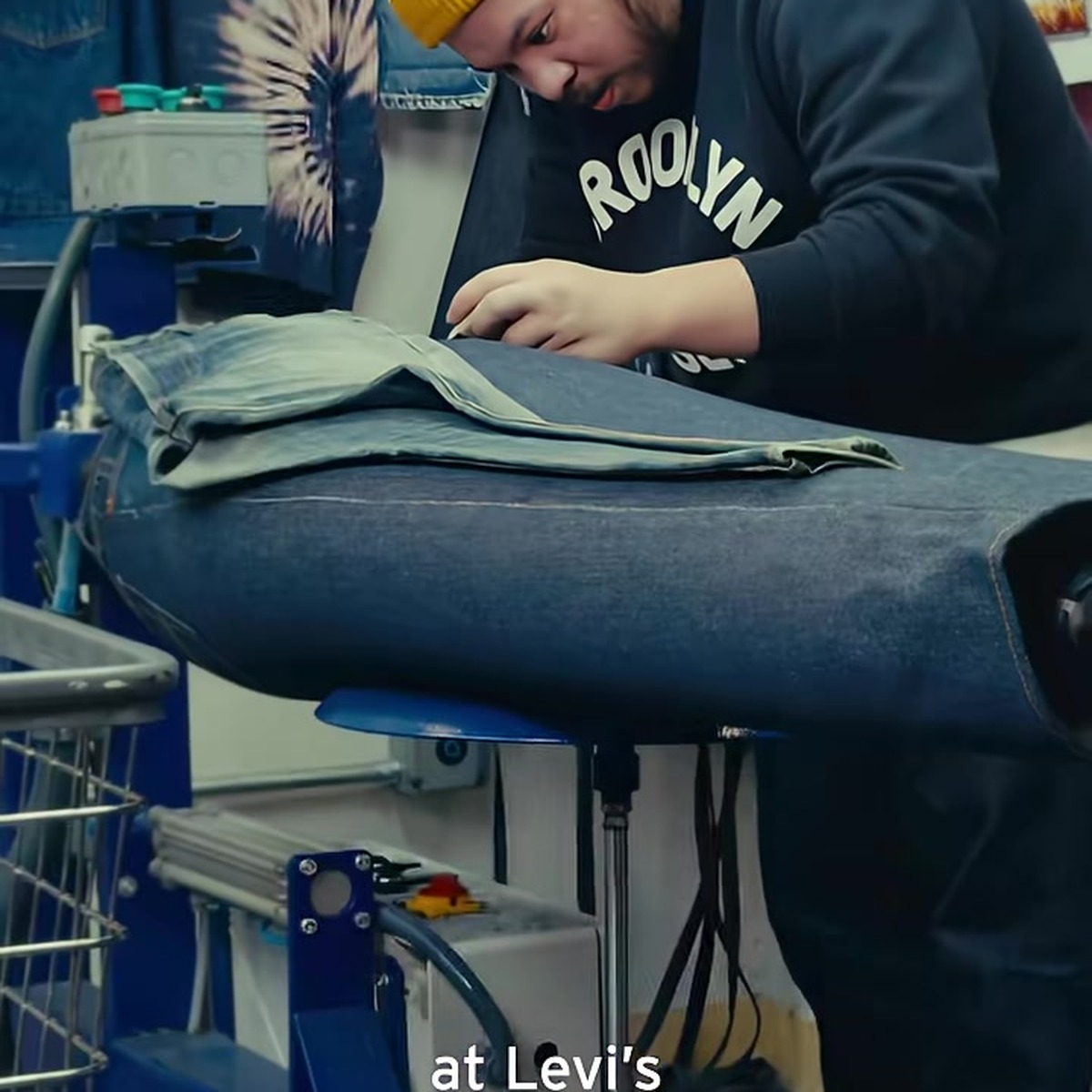
Common effect families (specification language)
Whiskering / localized abrasion: define placement zones (hip, thigh, coin pocket) and intensity. “Follow natural crease paths” is useful direction; “random chalk white” is not an acceptance standard.
Fade maps: describe contrast between high-abrasion and ground shade. Call out whether seams and hems should stay darker.
Enzyme / soft-hand: separate color change from hand change. A soft hand with wrong cast is still a fail if shade was the priority.
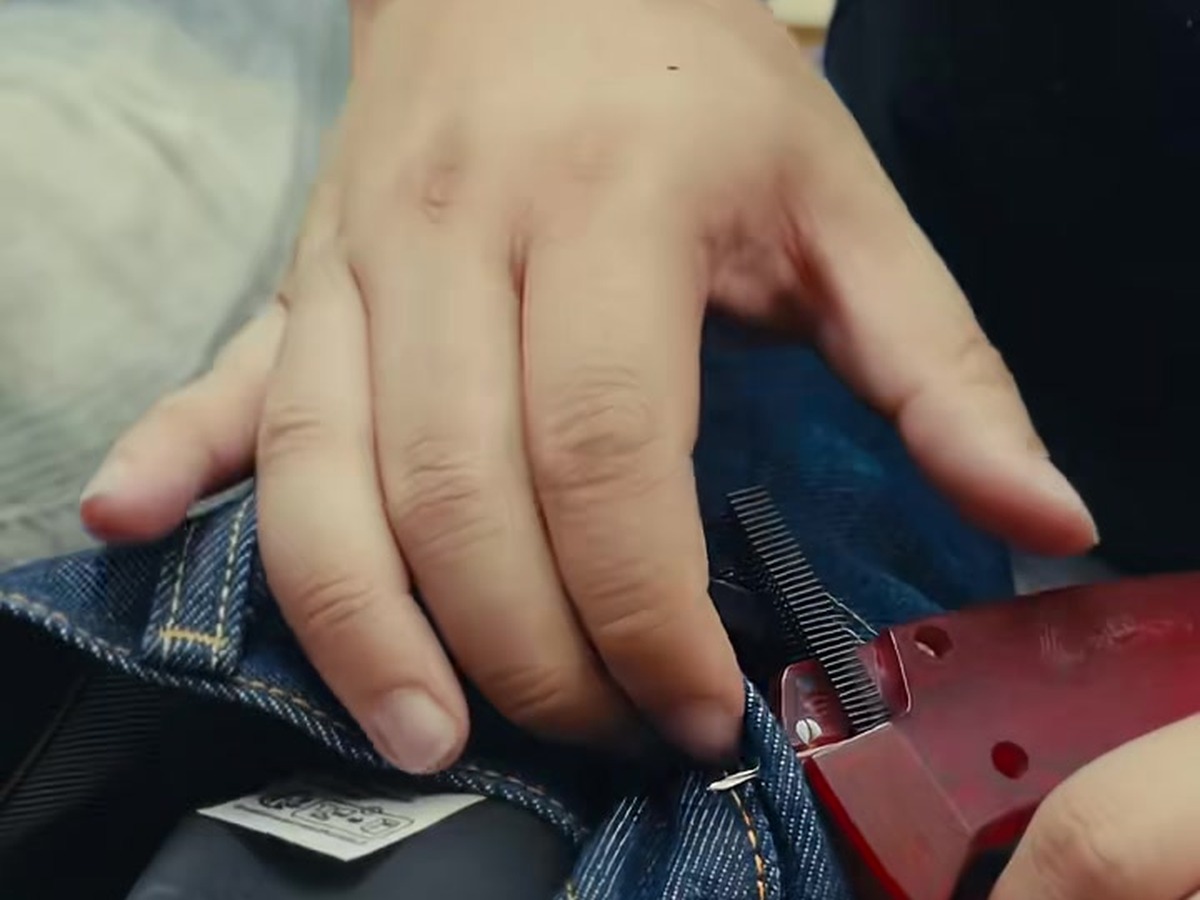
Approval samples and acceptance
- Agree which sample locks the wash (proto vs salesman vs PP).
- Define what changes force re-approval (shade, whisker map, hand, hardware interaction).
- State how shade will be judged (light box, daylight, photo standard).
- Record lot / fabric references used for the approved wash.
Link to capability pages
Before you assume a specialty effect is available, read Denim Washing & Finishing and confirm via inquiry. Material choice still matters—see knit vs woven for product development.
When this applies
- You are briefing a new wash or matching a reference garment
- Design and factory disagree on “same wash” across sizes or lots
- You need clearer acceptance criteria before photo samples
Development risks
- Moodboards without must-match notes
- Approving shade while ignoring hand (or the reverse)
- Skipping re-approval after fabric lot changes
- Assuming every abrasion story works equally on knit faces
What buyers should provide
- Reference images (face/back/detail) and priority notes
- Fabric / construction context
- Target hand and shade comments
- Size set expectations and market
- Development stage and timing constraints (without assuming published lead times)
Related capabilities & next step
Denim Washing & Finishing · Manufacturing Capabilities · Request a Quote